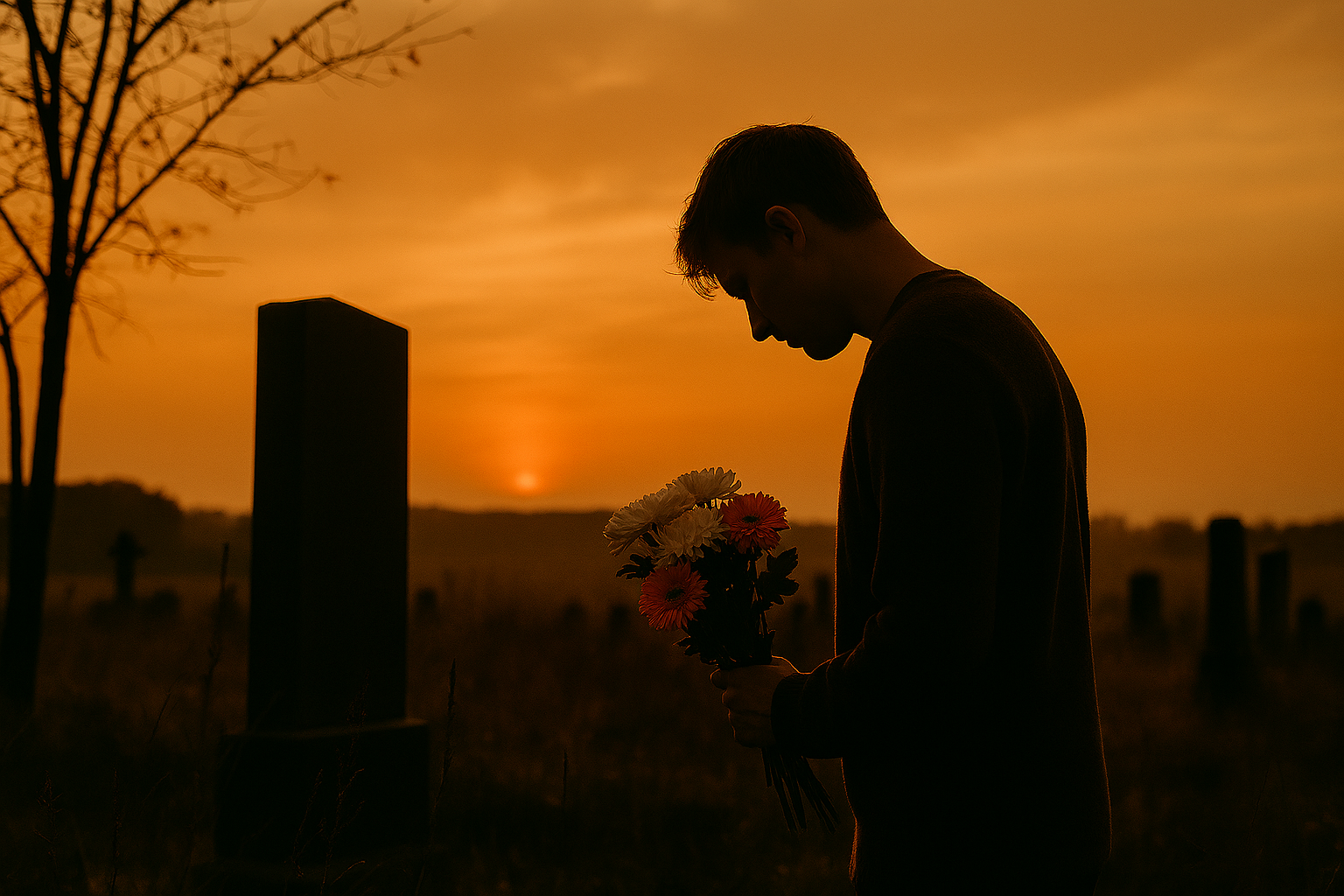
Grief is not a moment in time; it’s a landscape we learn to navigate after life has changed in ways we never asked for. When someone we love dies, the world doesn’t just feel different; we become different. The routines, the roles, the sense of safety, the future we imagined all of it shifts. Grief is the mind and body trying to understand a reality that feels impossible to accept.
Loss affects every part of a person. It can show up as sadness, anger, numbness, confusion, exhaustion, or even physical pain. None of these reactions are wrong. They are the human response to having loved deeply.
One of the hardest truths about grief is that it has no timeline. There is no “getting over it,” only learning how to carry it. Some days the weight feels unbearable; other days, a small moment of peace reminds us that healing is possible. Both are normal. Both belong.
What often gets overlooked is that grief is not just about the person who died, it’s also about the version of ourselves that existed with them. We grieve the life we shared, the identity we held, and the future we expected. This is why grief can feel so disorienting. It’s not just the loss of someone we love; it’s the loss of who we were with them.
Support matters. Having a safe space to talk, cry, question, or simply breathe can make the difference between feeling lost and feeling held. No one should have to navigate grief alone. Connection whether through community, counseling, or compassionate conversation helps us find our footing again.
Grief does not mean we are broken. It means we have loved. And even in the darkest moments, there is still a part of us capable of rising, slowly, gently, in our own time.