
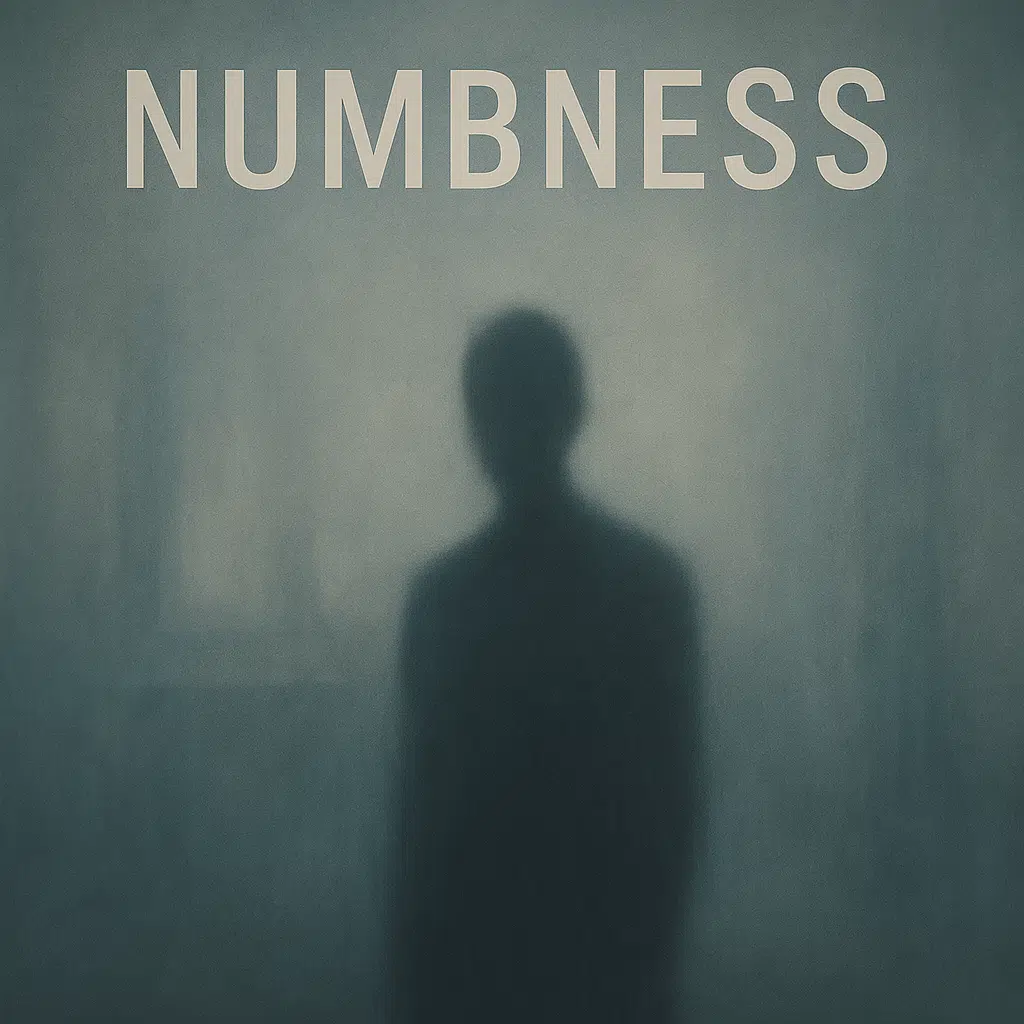
Understanding Emotional Numbness
There are times when life becomes so overwhelming that your mind simply shuts down. You’re not sad, not angry — just disconnected. Emotional numbness is a natural response to grief, trauma, burnout, or long-term stress. It’s your nervous system protecting you when everything feels like too much.
You’re not broken. You’re overloaded.
Why Numbness Happens
Numbness is a survival response. When your emotional capacity is maxed out, your system reduces intensity so you can keep functioning. Common triggers include:
- Sudden loss
- Chronic stress
- Burnout
- Major life transitions
- Emotional overload
- Long-term caregiving
Your body is doing what it was designed to do: keep you safe.
What Numbness Feels Like
People often describe numbness as:
- Going through the motions
- Feeling disconnected from yourself
- Difficulty making decisions
- Trouble feeling joy or sadness
- Feeling like you’re watching your life instead of living it
These experiences are valid and more common than most people realize.
How to Function When You’re Numb
You don’t need a full routine or a major breakthrough. You need small, gentle steps that help your system come back online.
1. Start With One Simple Task
Choose something neutral and doable:
- Drink water
- Open a window
- Take a shower
- Fold one item of clothing
Small completions rebuild momentum.
2. Use Sensory Grounding
Reconnect with your body through your senses:
- Hold something warm
- Run your hands under cool water
- Wrap yourself in a soft blanket
- Light a candle
Grounding helps your system feel safe again.
3. Reduce Mental Noise
When you’re numb, your brain is already overloaded. Simplify your environment:
- Turn off notifications
- Limit decisions
- Step away from draining conversations
- Choose easy meals
Less noise creates more capacity.
4. Move Your Body Gently
You don’t need a workout — just movement:
- Stretch
- Walk outside for a minute
- Roll your shoulders
- Sit in the sun
Movement signals safety to the nervous system.
5. Allow the Numbness Without Judgment
Numbness isn’t a failure. It’s a phase. And phases pass.
When you stop fighting the numbness, your system can slowly thaw on its own.
You’re Not Alone
Functioning while numb is difficult, but it’s possible. Emotional numbness is not a sign of weakness — it’s a sign that you’ve been carrying too much for too long. With support, structure, and gentle steps, you can move from surviving to rebuilding.
You’re not behind. You’re not doing life wrong. You’re healing, even if you can’t feel it yet.